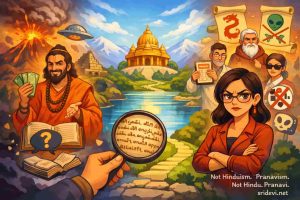
The Truth Behind Miracles
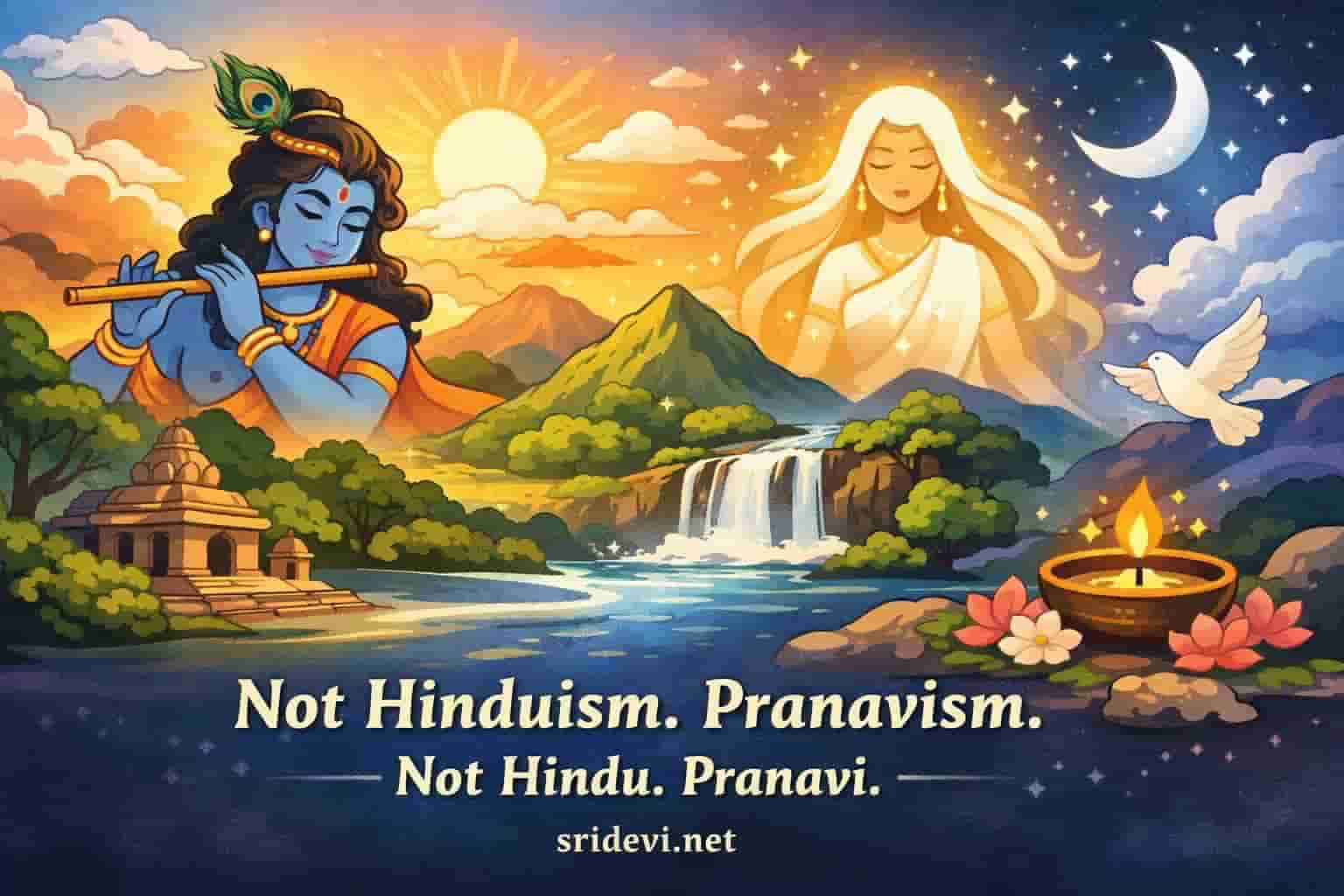
One of the greatest misunderstandings in the spiritual world is the way people attribute “miracles” to human beings. We label gurus as rainmakers, sun movers, and game changers — as if any person possesses divine powers of their own.
Trust me, this framing does more harm than good. Not only does it confuse seekers, but it also places genuine gurus in an unfair position. The gurus are then forced to carry expectations born of misunderstanding rather than truth.
What are Miracles?
Contrary to popular belief, miracles are not a human achievement. If they were, they would be magic — not miracles. The right to perform miracles belongs to the Divine alone. (And I say this from first-hand experience.)
What is often called “rainmaking” is simply prayer for rain. What is called “healing” is prayer for healing. The response, when it comes, is not the work of the human instrument — it is the grace of the Divine.
When a person reaches a certain inner state — when the mind quiets and one becomes attuned to living, divine energy — there is a felt Presence. In that state, sincere prayer does something that intellect cannot explain.
For reasons beyond our understanding, the Divine sometimes responds to such deep, soulful prayers. This is what many mistakenly call “miracles performed by gurus.”
In truth, nothing is being performed by any person, no matter how spiritually elevated they may be.
Genuine Gurus Know This
Any genuine teacher will say the same: I do nothing; it is all That — Her, Him, They.
Why? Even Sri Krishna, in the Mahabharata, repeatedly emphasizes that he isn’t the doer. If this is the stance of a Divine incarnate, what is left for humans to claim?
Gurus may guide, bless, or invoke grace, but the outcome is never theirs to command. Even the most devoted guru can only surrender, pray, and request. Beyond that point, it is the Divine that decides. Spiritual maturity lies in accepting this with humility.
Unfortunately, we misunderstand this dynamic and turn gurus into gods. We place them on pedestals and project powers onto them that do not belong to any human. This then distorts both devotion and discernment.
The Magic Words
If one seeks miracles in life, the only “magic words” are surrender and prayer.
No matter the depth of one’s austerity or practice, the human role remains limited. When prayer arises from surrender, it can move mountains — not because the human moved them, but because the benevolent Divine chose to respond.
True spiritual progress begins when we stop confusing prayer with power and surrender with control.
One may speak sweetly, shave the head, and wear the appearance of holiness — but without real understanding and clarity, these are only costumes.
And those who attribute miracles to their gurus rather than to the Divine have not yet grasped what spiritual maturity truly means.
Ultimately…
Spiritual maturity is not in how saintly one looks or dresses. It lies in how honestly one recognizes the limits of being human and the supremacy of the Divine.
If we could let go of the fantasy of “human miracle-makers” and return to reverence for the Divine alone, the spiritual world would become less of a circus — and a lot more truthful.
A human can never be Almighty. If Sri Krishna Himself said he was not the doer, who are we — limited mortals — to dare rewrite that truth?