Vasudeva
Scripture: Vasudeva Upanishad.
Canonical Number: 56 out of 108.
Shanti Mantra: Āpyāyantu mamāṅgāni.
Interlocutors: Nārada. Vāsudeva (teacher).
Context, Setting, Timeframe: Not mentioned in the text.
Theme:
Significance of Ūrdhva-Puṇḍra Symbol
Teachings:
The Sandalwood Paste
- Devotees of Lord Viṣṇu apply sandalwood paste to their bodies because it is said to be dear to Him.
- It is particularly used to apply a sacred religious mark on the body called the Ūrdhva-Puṇḍra.
Reasons for wearing this symbol
- First: This symbol is worn with sandalwood paste; smeared in the same places where one applies scent/deodorant — armpits and hands. It’s a similar idea: using fragrance as a courtesy and sensitivity to others, about our body odor.
- Second: Beyond fragrance, sandalwood is dedicated to Lord Viṣṇu. The idea is that each time you notice the sandalwood fragrance on you, you think of Him — a method of devotion that encourages divine remembrance.
- Third: This symbol is also applied to two other body parts: the forehead (between the brows) and the heart, a symbolic placement of Him in your head and heart.
Symbolic Philosophy
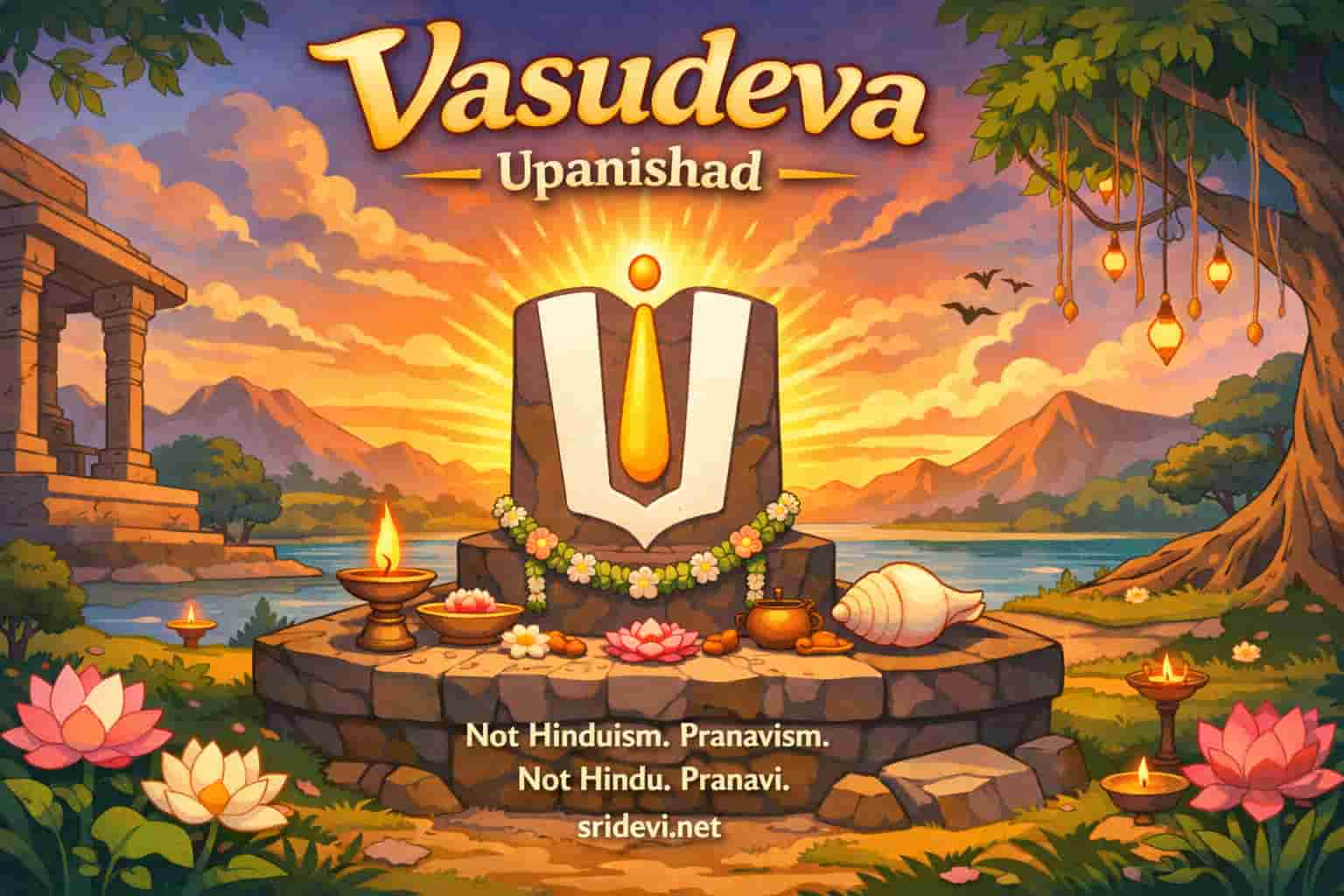
- Ūrdhva-Puṇḍra consists of three upright vertical lines.
- The three lines correspond to the syllables A–U–M, the three sounds that form the Praṇava or Oṃ.
- The center one is highlighted because the U-sound denotes Lord Viṣṇu.
- Sometimes, there’s a dot on the top or an extension at the bottom — both of these denote the combined form: Oṃ.
- Spiritual adepts wear just one line — again denoting the combined form: Oṃ.
Ūrdhva-Puṇḍra Mantras
- Traditionally, this symbol is applied each day after bathing.
- Anyone who’s a Viṣṇu devotee can wear it; no restrictions.
- While wearing this Ūrdhva-Puṇḍra symbol, devotees chant one of these mantras:
- Praṇava — Simply chanting Oṃ is sufficient for this.
- Vaiṣṇava Gāyatrī —
nārāyaṇāya vidmahe
vāsudevāya dhīmahi
tanno viṣṇuḥ pracodayāt - Ūrdhva-Puṇḍra Mantra (seeking protection) —
śaṅkha-cakra-gadā-pāṇe
dvārakā-nilaya acyuta |
govinda puṇḍarīkākṣa
rakṣa māṃ śaraṇāgatam ||
Meditation on Viṣṇu
- After wearing the symbol, devotees meditate on Viṣṇu at the heart and between the brows.
- Viṣṇu devotees refer to these as Chakra Tirtha, religious spots (within the body).
- The technical names for these spots are the Heart and Brow Chakras.
- This meditation helps channel emotions and build awareness; the two main teachings of Viṣṇu.
- Some practitioners also meditate on Viṣṇu at the Crown Chakra, as part of this practice.
Contemplation on Viṣṇu
- The word Viṣṇu means “one who pervades.”
- In other words, the divine presence permeates the entire cosmos.
- Meditating on Viṣṇu reminds us that the pervasive divine exists in everything: you, me, all living beings, and throughout the universe.
- This understanding of divine presence in all encourages us to treat others with empathy and respect.
Conclusion
- Wearing this symbol becomes a spiritual practice if accompanied by chanting, meditation, and contemplation.
- It promotes constant remembrance of Viṣṇu and his teachings.
- Over time, this practice helps in developing mindfulness, love for the divine, and compassion for the world, leading us toward peace and self-realization.
Posted by
Sri Devi
Disclaimer: The characters and events
portrayed in posts are either fictional representations
or drawn from scriptures. Scriptural tales are retold for
contemporary readers; blogs reflect personal insights.